




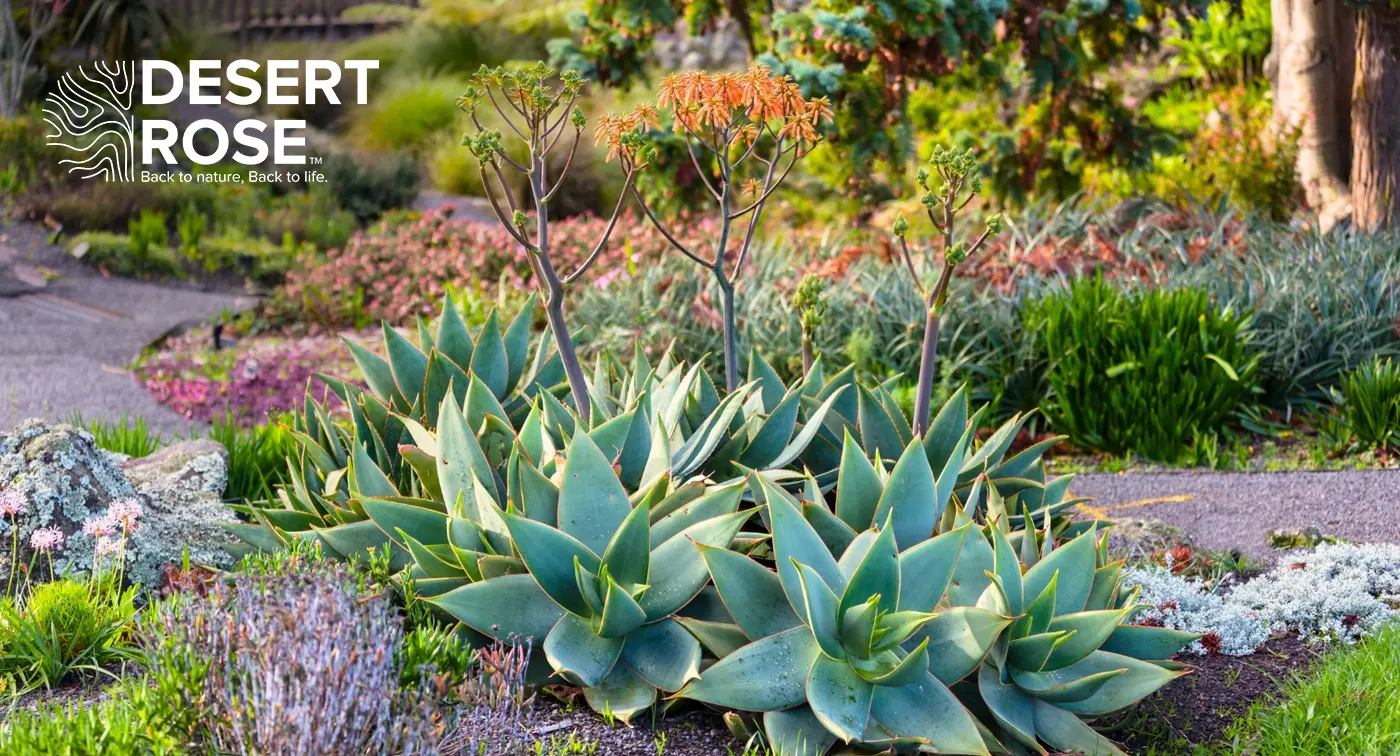
In an age of climate change and increased water shortage, the need for sustainable gardening solutions has never been so critical. Among them, the Xeriscaping scenario and water stands out as transforming methods that are not only environmentally responsible but also economically beneficial. This blog explores how these innovative approaches are shaping the future of the domestic garden and redefining outdoor aesthetics
What is xeriscaping?
Xeriscaping is a landscaping technique that reduces or eliminates the need for supplementary water from irrigation. Originated from the Greek word “xeros”, which means dry, this method depends on drought tolerant plants, efficient irrigation systems, and sustainable design principles to create beautiful but resource -efficient gardens. Unlike traditional gardening methods, xeriscaping considers local climate and soil conditions to maximize water efficiency.
When applied to a garden of origin, xeriscaping ensures that owners enjoy lush vegetation and visually attractive landscapes without the high costs and environmental impact of excessive water use. It is particularly advantageous in arid regions, but can be adapted to almost any climate with careful planning.
The importance of landscaping
Water landscaping is closely related to xeriscaping, but emphasizes a broader strategy for conserving water in various types of gardens. Whether it’s a compact Villa garden, an outdoor garden or a rustic farm landscape, water principles help minimize water consumption while improving the overall aesthetic value.
The main principles include:
- Selecting native and drought -resistant plants: These plants thrive in local conditions and require minimal watering.
- Efficient irrigation systems: drip irrigation and intelligent controllers reduce water waste.
- Soil improvement: Improving soil with organic matter increases water retention.
- Mulching: A layer of coverage prevents evaporation and suppresses weeds.
The implementation of these practices in a home garden promotes sustainability and reduces public service accounts, making it an attractive choice for conscious real estate.
Projecting a domestic garden in terms of water
Creating a water garden in terms of water involves an attentive design that combines functionality with aesthetic appeal. Start by evaluating the natural characteristics of your landscape, including sun exposure, slope and soil type. Group plants with similar water needs together to optimize irrigation and reduce waste.
Hardscaps, such as stone paths, gravel beds and decorative boulders, can add structure and reduce the area that requires watering. The incorporation of rainwater harvesting systems also increases the sustainability quotient of your home garden.
In Villa Gardens, where space can be limited, but the desire for elegance is high, the strategic placement of plants and vertical gardening can have a great impact. On the other hand, a larger farm house scenario allows expansive facilities of native plants and the integration of edible landscaping, combining beauty with functionality.
Benefits beyond water conservation
The advantages of xeriscaping and landscaping extend beyond saving water. These techniques contribute to:
- Smaller Minor: Drought resistant plants usually require less pruning and pest control.
- Cost savings: Reduced water and maintenance costs lead to a long -term economy.
Especially for Digital Real Estate owners who seek balance between lifestyle and sustainability, turning your garden outdoors into a water space is an investment in future vision.
The Role of Technology in Modern Landscaping
Technology is playing an increasingly fundamental role in sustainable gardening…